Quiet Voltage
individual work
This project aims to:
1. Research the viability and potential ecological impact of promoting the presence of eiders (a marine duck) in the Finger Lakes, and to
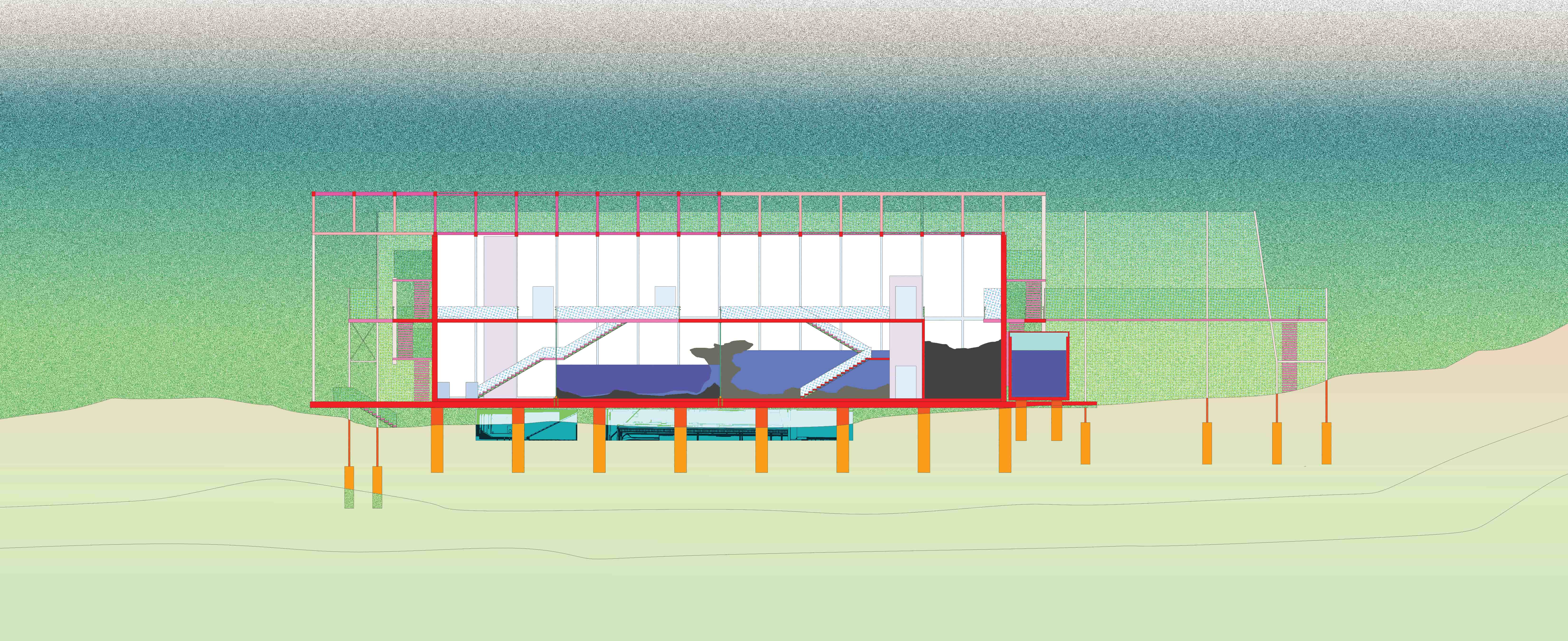
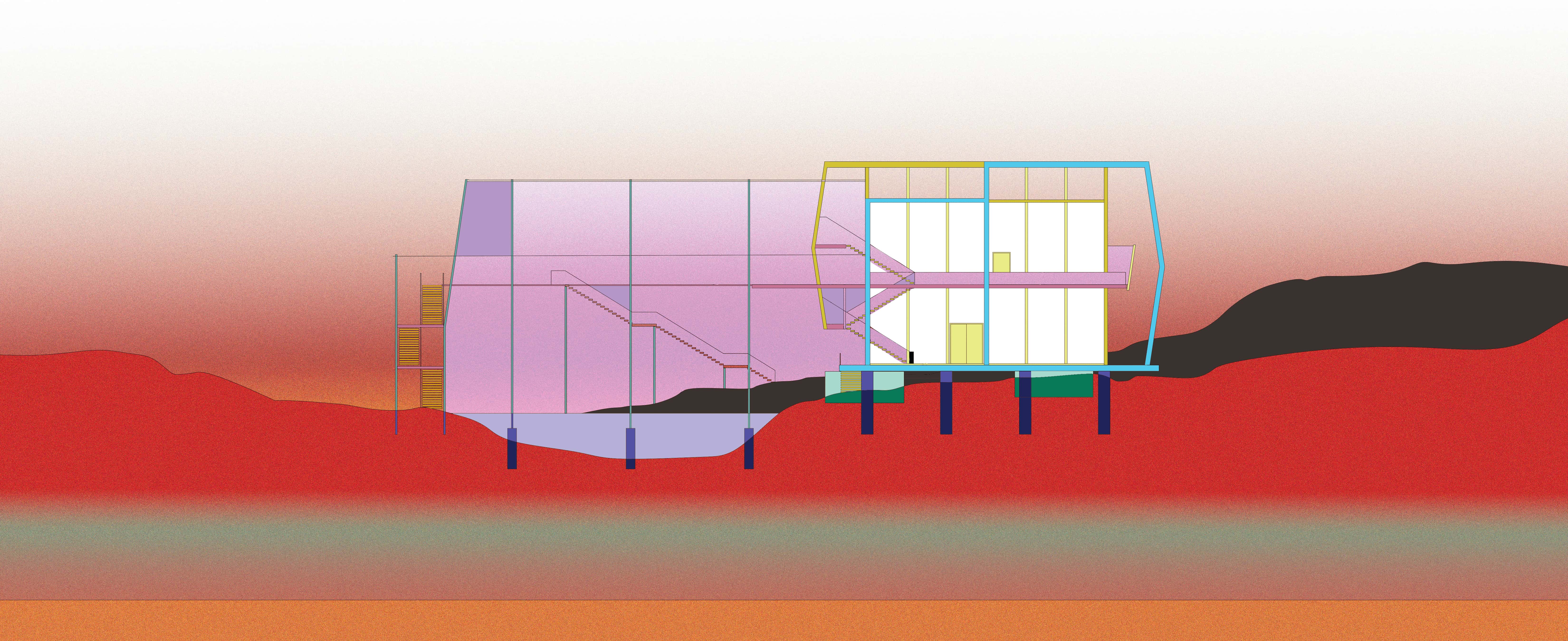
2. Develop the design of an eider breeding and rehabilitation center, EIDERWILD, located on Beebe Lake in Ithaca.
Why? Ecosystems like the Finger Lakes and Great Lakes have been experiencing the proliferation of invasive mollusk species like zebra and quagga mussels since the 1980s, when they were first introduced. While some have weathered this better than others, a few - for instance, Lake Michigan - have experienced complete annihilation of their natural ecosystems, with invasive mussels consuming the majority of the phytoplankton at the base of their food web and choking out native species.
Simultaneously, habitat loss for multiple species of eiders has been occurring in overlapping regions with some overlap - as migratory birds, they typically breed in far far northern coastal waters and winter further south, including in New England and New York. While they spend a large proportion of their lives in coastal areas, during migration they often reside and forage in inland lakes.
The common eider’s preferred prey is mussels, and all eider species will eat mollusks. This seems, to me, potentially compatible with the issue of American lakes being overrun with invasive freshwater mussels. Similar to a project in Yellowstone, where reintroducing wolves to the parks led to a cascade of ecological improvement that revitalized the whole region, I propose that promoting eider presence in the Finger Lakes could potentially significantly benefit their ecosystems.